From Drips to Dazzle: Hand‑Grown Crystal Lampshades and Planters

Step into an imaginative corner of home science where kitchen-safe chemistry and patient artistry unite. We will explore DIY crystallization kits to grow stalactite‑style lampshades and planters at home, transforming saturated solutions, string wicks, and simple frames into luminous, mineral‑sculpted decor. Along the way you will learn approachable methods, safety habits, and creative tricks for color, texture, and structure, plus stories from makers who turned evening experiments into heirlooms that glow, hang, and cradle living green companions.

Why Minerals Grow Like Icicles

Supersaturation, Seeding, and Patience

Crystals appear when warm, richly loaded liquid cools or evaporates, forcing dissolved particles to lock together in repeating patterns. A seed crystal or rough surface invites orderly stacking, while stillness and time favor clarity over chalkiness. Stir thoroughly when dissolving, then avoid agitation during growth. If nothing begins, introduce a tiny seed; if growth seems chaotic, reduce temperature swings and drafts. Reward patience by letting the solution do the quiet, invisible work your hands cannot rush without sacrificing strength, luster, and those dramatic, reaching stalactite forms.

Gravity’s Brush: Drips, Wicks, and Direction

Stalactite‑styled textures emerge where saturated solution slowly travels. A cotton string, yarn, or felt wick draws liquid outward; as droplets linger, crystals build downward into shimmering cones. Angle the wick to nudge curves, split ends for branching, or feed from a small reservoir through a clip above your frame. Gentle airflow accelerates evaporation but can roughen surfaces. Control distance from the solution and drip rate to balance length with sturdiness. Remember that even tiny shifts in tension or humidity leave bold signatures on your crystalline silhouette.

Choosing Friendly Salts and Knowing Trade‑Offs

Alum often yields clear, glassy forms, great for shades; Epsom salt can create needlelike bursts; borax tends toward frosted blooms that diffuse light beautifully. Copper sulfate gives brilliant blue but is hazardous for pets and gardens, so reserve it for sealed art away from children. Whatever you choose, label containers, avoid food contact, and store powders dry. Test small batches first, noting solubility, growth speed, and structural strength. Then match the salt’s personality to your goal: silky light diffusion, rugged stalactites, or delicate fringes that sparkle like frozen rainfall.

Gather Your Bench: Tools, Salts, and Safe Spaces
Preparation makes experiments calmer and results steadier. Assemble heat‑resistant jars or beakers, dedicated spoons, funnels, and measuring scales. Stock alum, borax, or Epsom salt for approachable first projects, plus optional fabric dyes for gentle color. Set up a ventilated, pet‑free corner with towels, trays, and labeled containers. Include nitrile gloves, goggles, a dust mask for powders, and LED bulbs for shade projects to avoid heat stress. Keep notebooks for temperatures, weights, and timings, because small records become big breakthroughs when repeating shapes or solving surprises.
Collect salts, clean water, heat‑safe vessels, clips, cotton string, skewers, and a kitchen scale. Add a thermometer, coffee filters for clarity, and resealable jars for leftover solutions. Protective gloves and goggles protect you from splashes and dust. Keep paper towels, baking trays, and parchment for drip control. A small fan, timer, and painter’s tape for labeling complete the setup. With everything within reach, you can focus on artful growth rather than scrambling for tools while delicate crystals decide where to land and how boldly to shine.
Lampshade armatures can be crafted from wire rings, stainless mesh, or heat‑safe 3D‑printed skeletons. Planter molds might begin with silicone bowls, paper pulp shells, or wrapped balloons that peel away after curing. Provide anchor points for wicks and seed crystals, and add drainage channels if you intend to support real plants. Favor materials that tolerate moisture and light handling. Prototype with cheap pipe cleaners or floral wire first, then upgrade to sturdier shapes once you understand where crystals gather, where weight concentrates, and how the silhouette wants to grow.
A few drops of fabric dye can tint crystals delicately, though heavy coloring may cloud facets. To strengthen surfaces, consider water‑based polyurethane or thin epoxy after drying completely; always test on a sample to ensure sparkle remains. A matte varnish diffuses glare for a softer glow, while gloss intensifies edges like ice at dawn. Seal planters differently inside and out, protecting roots from residual salts yet preserving exterior shimmer. Keep ventilation strong during sealing, and allow extended cure times so your creations harden into trustworthy, durable companions.

Building a Heat‑Savvy Armature

Plan for airflow around the bulb by leaving generous gaps and using heat‑resistant materials. Stainless wire holds shape while resisting corrosion from occasional splashes. Space crossbars to support crystals without crowding them against the light source. Add small hooks for wicks, and test fit with the bulb unpowered first. Switch on briefly to check shadows and brightness angles, then cool fully before any wet steps. Remember, a lampshade is sculpture and safety equipment together: respect clearances so the art remains enchanting, cool to the touch, and confidently reliable.

Guiding Growth into Cascades

Attach cotton wicks along the rim and let them sweep inward like trailing vines. Dip, then feed from a warmed, filtered solution, allowing gradual drips that trace lines you pre‑imagined. If lengths stall, move the reservoir slightly higher; if weight threatens collapse, pause and dry thoroughly. Introduce tiny seeds near edges where you desire clusters, leaving the center clearer for glow. Adjust fan distance to refine texture. Over several evenings, alternating feeds and rests, your shade gains layered stalactites that read like frozen rain, prismatic yet gentle.

Finishing for Glow and Longevity

After final drying, dust with a soft brush and seal lightly to resist humidity. Evaluate brightness with your usual room lighting, swapping bulb temperatures to test atmosphere: warm white feels candlelit, neutral suits reading, cool emphasizes icy sparkle. Trim any fragile overhangs before sealing to prevent future shedding. Mount hardware with vibration‑damping washers, and teach housemates to lift from the frame, not the crystals. Schedule seasonal checkups, wiping gently and ensuring the seal remains intact, so your crystalline chandelier keeps whispering wonder long after the last droplet evaporates.

Planters that Balance Sparkle and Life

Growing a planter asks for dual thinking: celebrate mineral drama outside while creating a calm, plant‑safe interior. Residual salts can stress roots, so isolate soil from crystal surfaces with liners, sealants, or removable nursery pots. Shape drainage thoughtfully, remembering that weight, moisture, and occasional handling demand durability. Pair hardy species with your planter’s microclimate, using bright, indirect light to accent texture without overheating. When cared for intentionally, the result feels like a small cliff garden, where geology and botany converse across sculpted contours and glittering pale cascades.

Structure, Drainage, and Strength

Begin with a form that supports weight at the base, then carve drainage channels or leave slots for inserts. Reinforce rims where you’ll lift or hang. Seal interior cavities with non‑toxic, waterproof coatings, allowing extended cure times so vapor cannot soften crystals later. Test load with wet soil to mimic real use. If you prefer air plants, skip soil and integrate wire saddles. However you arrange it, prioritize a stable center of gravity and comfortable handling, because watering days should feel calm, not perilous, for both gardener and sculpture.

Plant Pairings that Appreciate Minerals

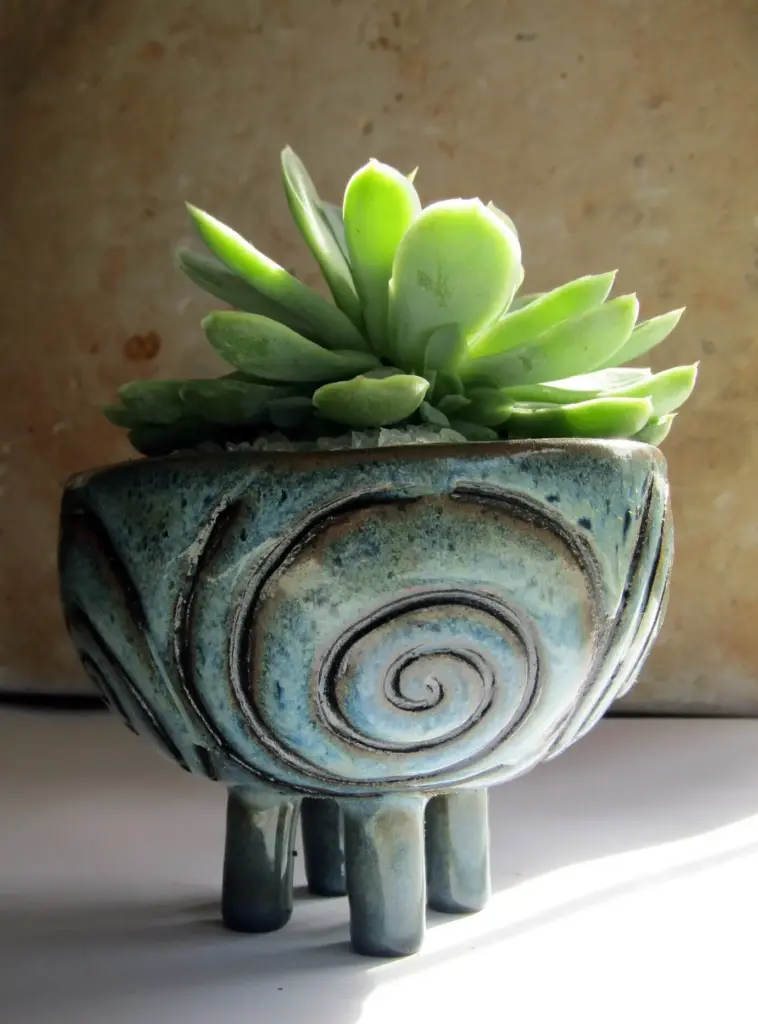
Air plants, certain succulents, and preserved mosses complement textured crystal skins without constantly moist conditions. Choose species tolerant of bright, indirect light and moderate airflow. If using living plants in liners, flush with clean water routinely to prevent any stray salts from accumulating near roots. Soft hues on crystals flatter powdery blue echeverias, while grassy tillandsias contrast dramatically against clear stalactites. Think of maintenance rhythms too: slower growers suit the delicate setting, letting your planter remain a gallery for gentle care rather than a battlefield of pruning shears and spilled grit.

Watering Routines and Salt Safety

Keep irrigation contained within liners or removable cups, emptying excess promptly. If salt dust appears inside, rinse the liner outside the sculpture and dry thoroughly before reassembly. For air plants, rely on periodic mists away from crystals or brief dunks with careful drying afterward. Never let fertilizer run across mineral surfaces, as residues may react, cloud, or loosen joins. Track humidity across seasons; a dehumidifier can reduce stickiness in warm months. Thoughtful routines protect both greenery and glitter, preserving clarity, adhesion, and the tranquil balance between living softness and mineral drama.

Safety, Responsibility, and Household Harmony
Crystal art feels magical, yet it lives alongside real kitchens, pets, and sockets. Choose salts suited to your space, label everything, and keep powders sealed. Wear goggles and gloves when mixing, avoid food utensils, and ventilate during heating or sealing. Prefer LEDs for low heat, unplug fixtures during adjustments, and dry creations thoroughly before electrical assembly. Store solutions out of reach and dispose responsibly according to local guidance. With care as deliberate as your artistry, these glimmering forms become long‑lived neighbors that charm without compromising comfort, health, or calm routines.

Handling, Storage, and Labeling

Dedicate clearly labeled containers for each salt, noting concentration and date. Keep dry powders in airtight jars away from steam. Mix using room‑temperature or gently warmed water, never boiling near your face. Wipe surfaces after sessions, wash hands, and launder splashed clothing. If spills occur, collect crystals with stiff paper rather than vacuuming, then bag and discard according to local rules. Photograph labels for backups, and note any sensitivities among household members. A tidy bench and predictable habits free your attention for creativity while preventing small surprises from growing into harmful headaches.

Electrical and Heat Considerations

Treat the lampshade as you would any delicate fixture: use UL‑listed components, respect wattage limits, and maintain generous distance between crystals and heat sources. Test fit with the power off, then run a brief illumination trial while monitoring temperature by touch around the frame, not the bulb. If warmth builds, reduce wattage or enlarge ventilation gaps. Never grow crystals directly on live hardware; complete all wet work separately. Route cords cleanly, secure sockets with locking nuts, and periodically recheck fasteners. The reward is effortless glow backed by quiet, built‑in peace of mind.

Pets, Kids, and Eco‑Conscious Cleanup

Curiosity is wonderful, so display pieces out of reach and supervise when explaining the process. Avoid toxic salts in shared spaces, and keep drying racks behind closed doors. When disposing of leftovers, allow solutions to crystallize, bag the solids, and follow municipal guidance. Do not pour concentrated brines into gardens, aquariums, or storm drains. Reuse jars, label them boldly, and share safe practices with friends who join your experiments. Responsible habits make the sparkle feel even brighter, because beauty that cares for the household and environment shines with deeper, lasting satisfaction.

Mastery Through Iteration: Fixes and Fine‑Tuning

When Crystals Crumble or Cloud

Crumbly growth often points to rapid evaporation or impurities. Try warming the solution modestly for better dissolution, then filter through coffee paper to remove dust. Shield the project from drafts and temperature swings. If a section weakens, stop growth, dry thoroughly, and reinforce with a light seal before continuing. Cloudiness may fade by switching to distilled water and fresh containers. Keep hands off damp crystals; even gentle touches dislodge delicate scaffolding. Accept strategic pruning: trimming brittle tips now can save a silhouette that would otherwise collapse under tomorrow’s enthusiastic layering.

Speeding Up Without Sacrificing Beauty

Crumbly growth often points to rapid evaporation or impurities. Try warming the solution modestly for better dissolution, then filter through coffee paper to remove dust. Shield the project from drafts and temperature swings. If a section weakens, stop growth, dry thoroughly, and reinforce with a light seal before continuing. Cloudiness may fade by switching to distilled water and fresh containers. Keep hands off damp crystals; even gentle touches dislodge delicate scaffolding. Accept strategic pruning: trimming brittle tips now can save a silhouette that would otherwise collapse under tomorrow’s enthusiastic layering.

Rescuing Misshapen Growth

Crumbly growth often points to rapid evaporation or impurities. Try warming the solution modestly for better dissolution, then filter through coffee paper to remove dust. Shield the project from drafts and temperature swings. If a section weakens, stop growth, dry thoroughly, and reinforce with a light seal before continuing. Cloudiness may fade by switching to distilled water and fresh containers. Keep hands off damp crystals; even gentle touches dislodge delicate scaffolding. Accept strategic pruning: trimming brittle tips now can save a silhouette that would otherwise collapse under tomorrow’s enthusiastic layering.

Davopentopalo
Privacy Overview

This website uses cookies so that we can provide you with the best user experience possible. Cookie information is stored in your browser and performs functions such as recognising you when you return to our website and helping our team to understand which sections of the website you find most interesting and useful.